
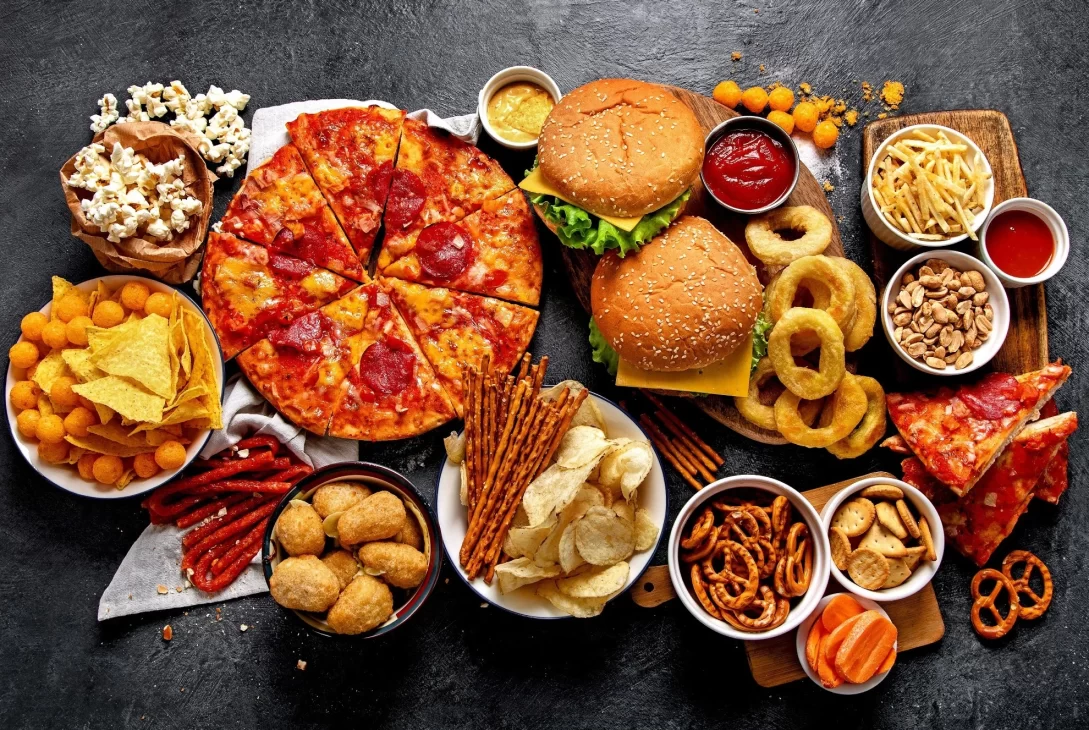
Modern diets have seen a dramatic rise in ultraprocessed foods—ready-to-eat meals, packaged snacks, sugary beverages, and fast food dominate many people’s daily intake. While convenient and tasty, new research suggests that a heavy reliance on these foods may come with serious health risks, including an increased likelihood of developing colorectal cancer (CRC).
What Are Ultraprocessed Foods?
Ultraprocessed foods are products that go through multiple industrial processes and often contain additives, preservatives, artificial flavors, colorings, and high levels of sugar, salt, or unhealthy fats. Examples include:
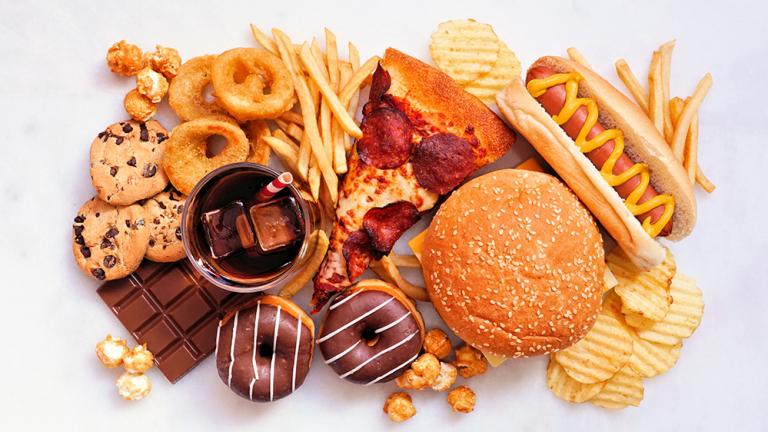
- Packaged snacks like chips, cookies, and crackers
- Sugary cereals and breakfast bars
- Fast food meals, including burgers, fries, and pizza
- Soft drinks, energy drinks, and flavored beverages
- Frozen ready-to-eat meals
These foods are designed for long shelf life, convenience, and appealing taste—but they are often nutritionally poor, with low fiber content and few essential nutrients.
The Link to Colorectal Cancer
Recent studies indicate a concerning connection between ultraprocessed food consumption and CRC risk. Researchers have found that diets high in processed foods may:
- Increase Inflammation: Additives, sugar, and unhealthy fats can trigger chronic inflammation, a key factor in cancer development.
- Alter Gut Microbiota: Ultraprocessed foods can disrupt the balance of gut bacteria, potentially promoting carcinogenic changes in the colon.
- Lower Protective Nutrients: Diets high in processed foods often lack fiber, vitamins, and antioxidants, which are crucial for colon health.
- Promote Obesity: Excess weight is a known risk factor for CRC, and ultraprocessed foods are strongly associated with weight gain.
In one large-scale study, participants who consumed the highest amounts of ultraprocessed foods had a significantly higher risk of developing colorectal cancer compared to those with minimal intake.
Why Fiber Matters
Fiber is essential for maintaining digestive health and lowering CRC risk. Whole foods like vegetables, fruits, legumes, and whole grains contain natural fiber that supports healthy bowel movements and feeds beneficial gut bacteria. In contrast, ultraprocessed foods are typically stripped of fiber during processing, contributing to slower digestion, poor gut health, and higher cancer risk.
Practical Tips to Reduce Risk
While completely avoiding processed foods can be difficult, you can significantly reduce CRC risk with some practical strategies:
- Choose Whole Foods First: Prioritize vegetables, fruits, whole grains, legumes, nuts, and seeds over packaged options.
- Limit Packaged Snacks and Sugary Beverages: Replace chips or cookies with fresh fruit, nuts, or homemade snacks.
- Cook at Home: Preparing meals from scratch allows you to control ingredients, reduce additives, and increase fiber content.
- Read Labels: Check for high sugar, salt, and fat content. Avoid foods with unrecognizable additives or preservatives.
- Gradual Swaps: Replace one processed meal a day with a balanced, whole-food alternative to start building a healthier habit.
The Role of Regular Screening
Even with dietary improvements, early detection remains critical. Colorectal cancer often develops slowly and may not show symptoms until advanced stages. Regular screenings such as colonoscopies, stool tests, and physician consultations can help detect precancerous polyps or early-stage CRC, improving survival rates.
Conclusion
The evidence is becoming clear: ultraprocessed foods may pose a significant risk for colorectal cancer. While convenience and taste make these foods appealing, the long-term impact on digestive health and cancer risk cannot be ignored.
By shifting your diet toward whole, fiber-rich foods, minimizing processed options, and staying proactive with regular screenings, you can take meaningful steps to protect your colon health.
Remember, small dietary changes over time—like swapping sugary drinks for water, choosing whole grains, and increasing fruit and vegetable intake—can make a big difference in reducing CRC risk. Your gut, and your long-term health, will thank you.