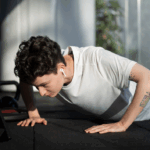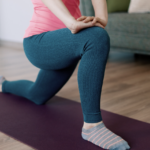

We often imagine “anti-aging” as something dramatic — intense workouts, strict routines, big changes. But the body does not only respond to big efforts. It responds to frequency.
A 60-second stretch.
A quick flight of stairs.
A few squats while waiting for your coffee.
These small actions, repeated through the day, may quietly protect your cells in ways long workouts alone cannot.
Let’s break down why.
Your Body Was Built for Interruptions, Not Stillness
Human biology evolved around constant low-level motion — walking, squatting, reaching, carrying. Long, uninterrupted sitting is a modern invention.
When you sit for long stretches:
- Blood flow slows down
- Muscles switch off
- Glucose regulation becomes sluggish
- Cell repair signals go quiet
Even if you exercise for an hour later, long periods of stillness earlier in the day can leave a biological footprint.
Small bursts of movement flip the switch back on.
The “Circulation Reset” Effect
When you move suddenly — even briefly — your muscles contract and act like pumps.
That does three important things:
- Pushes oxygen deeper into tissues
- Improves nutrient delivery to cells
- Clears metabolic waste more efficiently
This isn’t about burning calories. It’s about cellular housekeeping.
Frequent mini-movements create tiny waves of circulation that keep your internal systems refreshed. Think of it as pressing “refresh” on your body multiple times a day.
Why Your Muscles Are Your Longevity Organ
Muscle is not just for strength or appearance. It functions like a protective organ.
Active muscles release signaling molecules called myokines. These chemical messengers:
- Support brain health
- Reduce low-grade inflammation
- Improve insulin sensitivity
- Help regulate immune responses
Here’s the part many people miss: you don’t need an intense workout to trigger this. Short, repeated contractions throughout the day can stimulate these signals.
Your body cares more about regular reminders than rare heroic efforts.
Micro-Movements and Your Metabolism
After about 30–60 minutes of stillness, the enzymes that help manage blood sugar begin to slow down.
A quick movement break — even 90 seconds — can:
- Wake those enzymes back up
- Improve how your body handles glucose
- Reduce sharp blood sugar spikes
Over months and years, these small corrections may lower metabolic stress — a major driver of aging.
Aging is not just about wrinkles. It’s about metabolic strain.
Small movement breaks help lower that strain.
Your Brain Ages Slower When You Move Often
Brief activity increases blood flow to the brain almost immediately.
This can:
- Improve focus
- Boost mood
- Increase mental clarity
- Stimulate growth factors linked to brain resilience
You may notice sharper thinking after a short walk or stretch. That’s not random. It’s physiology responding in real time.
Frequent movement keeps the brain engaged instead of stagnant.
The Hidden Benefit: Joint Nutrition
Joints do not have a direct blood supply. They rely on movement to circulate synovial fluid — the lubricant that keeps them healthy.
When you stay still for too long:
- Joint nutrition slows
- Stiffness increases
- Cartilage receives fewer nutrients
Even gentle range-of-motion exercises throughout the day can help nourish your joints.
Movement feeds your joints.
Stress Hormones and the “Release Valve” Effect
Small bursts of movement also act as a pressure valve for stress.
Brief physical activity:
- Lowers excess cortisol
- Releases tension stored in muscles
- Improves emotional regulation
It does not have to be intense. A brisk walk across the room can shift your nervous system from “tense” to “balanced.”
Over time, better stress regulation supports healthier aging at the cellular level.
The Compounding Effect Most People Ignore
One long workout = one signal to your body.
Ten small movement breaks = ten signals.
The body responds strongly to repeated cues.
Think of it like watering a plant. A single heavy pour once a week does not work as well as light, frequent watering.
Consistency beats intensity when it comes to aging well.
Simple Ways to Add Small Bursts of Movement
No equipment. No schedule overhaul.
- Stand up every 30–45 minutes
- Do 10 bodyweight squats
- Take stairs instead of the elevator
- Stretch your spine overhead
- Walk while taking phone calls
- Do calf raises while brushing your teeth
Keep it short. Keep it natural. Keep it frequent.
The Bigger Picture
Aging is not a single event. It is the gradual accumulation of small stresses.
Small bursts of movement help reduce those stresses in real time.
They improve circulation.
They activate muscle signals.
They regulate blood sugar.
They support the brain.
They nourish joints.
And they do it without demanding hours of effort.
The real secret is not extreme discipline.
It is tiny, consistent action woven into your day.
Move often. Age intelligently.