
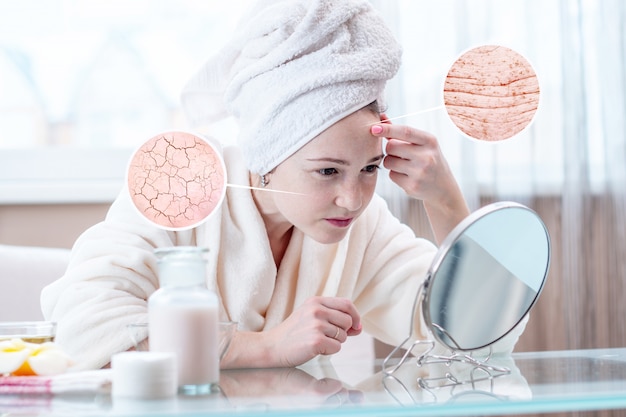
Your skin isn’t just a surface; it’s a vital, multi-layered organ. At its forefront is the skin barrier, also known as the stratum corneum. Think of it as a brick-and-mortar wall where skin cells are the bricks and essential lipids (fats) are the mortar.
When this wall is strong, your skin looks healthy, supple, and calm. When it’s compromised, problems like dryness, sensitivity, and inflammation begin. Here is the truth about your skin barrier and how to keep its structure intact.
What the Skin Barrier Actually Does
The barrier performs two non-negotiable jobs:
- Keeps the Good Stuff In (Moisture Retention): It prevents Transepidermal Water Loss (TEWL), locking in the natural moisture and oils your skin needs to stay hydrated and plump.
- Keeps the Bad Stuff Out (Defense): It acts as a shield against external stressors, including pollution, UV radiation, bacteria, allergens, and harsh chemicals.
When the “mortar” (lipids) gets depleted, the skin develops microscopic cracks. This leads to dryness because moisture escapes, and irritation because external irritants sneak in.
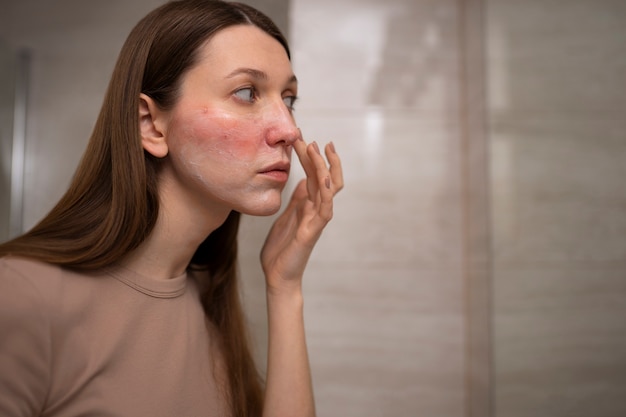
The Top Causes of Barrier Damage
Understanding the culprits is the first step to repair:
- 💥 Over-Exfoliation: Using physical scrubs or high-concentration chemical exfoliants (AHAs, BHAs) too frequently strips away healthy skin cells and the protective lipids. This is the number one cause of modern barrier damage.
- 🌡️ Environmental Stress: Extreme temperature changes (switching from cold outdoors to hot indoors), low humidity, and harsh winds can rapidly deplete the skin’s moisture.
- 🧼 Harsh Cleansing: Using stripping, foaming cleansers with high pH levels or sulfates can wash away the naturally acidic mantle that supports the barrier’s health.
- 🧪 Misuse of Actives: Overusing powerful ingredients like Retinoids or Vitamin C without proper hydration and support can lead to irritation and barrier compromise.
How to Repair and Restore Your Barrier
Barrier repair is not a sprint; it’s a dedicated, gentle routine. You need to focus on calming inflammation and replenishing the essential “mortar.”
1. Simplify Your Routine (The “Less Is More” Phase)
If your skin feels tight, flaky, or burns when applying products, stop the actives immediately.
- Pause All Exfoliation: Temporarily eliminate scrubs, acids (glycolic, lactic), and retinoids.
- Use Gentle Cleansing: Switch to a hydrating, creamy, or oil-based cleanser.
2. Replenish the Lipids (The Mortar)
The focus is on ingredients that mimic the skin’s natural lipid composition:
- Ceramides: These are essential fatty acids that make up about 50% of the skin’s barrier. Products containing Ceramides directly help reconstruct the “mortar” of the barrier wall.
- Fatty Acids & Cholesterol: Look for products that combine ceramides with cholesterol and fatty acids in an ideal ratio (often 3:1:1).
- Niacinamide (Vitamin B3): This powerhouse ingredient helps boost the natural production of ceramides, strengthening the barrier from within.
3. Lock in Hydration (The Humectants)
Once you’ve strengthened the lipids, use humectants to pull moisture into the cells:
- Hyaluronic Acid and Glycerin: Apply these ingredients to damp skin to draw water into the upper layers.
- Squalane or Occlusives (Last Step): Finish your routine with an occlusive agent like Squalane, Shea Butter, or a petroleum jelly product at night. This forms a physical seal to prevent moisture from escaping while the barrier heals.

The Protection Mandate
Once your barrier is repaired, daily protection is mandatory for maintenance:
- ☀️ Daily Sunscreen: UV radiation is one of the most significant environmental stressors that degrades barrier function. Use a broad-spectrum SPF 30 or higher every single day.
- 💧 Humidity and Air Quality: Use a humidifier indoors during dry months (winter or arid climates) to keep the moisture in your environment from being sucked out of your skin.
By treating your skin barrier with respect—minimizing trauma and maximizing hydration—you invest in skin that is resilient, radiant, and permanently less prone to irritation.