
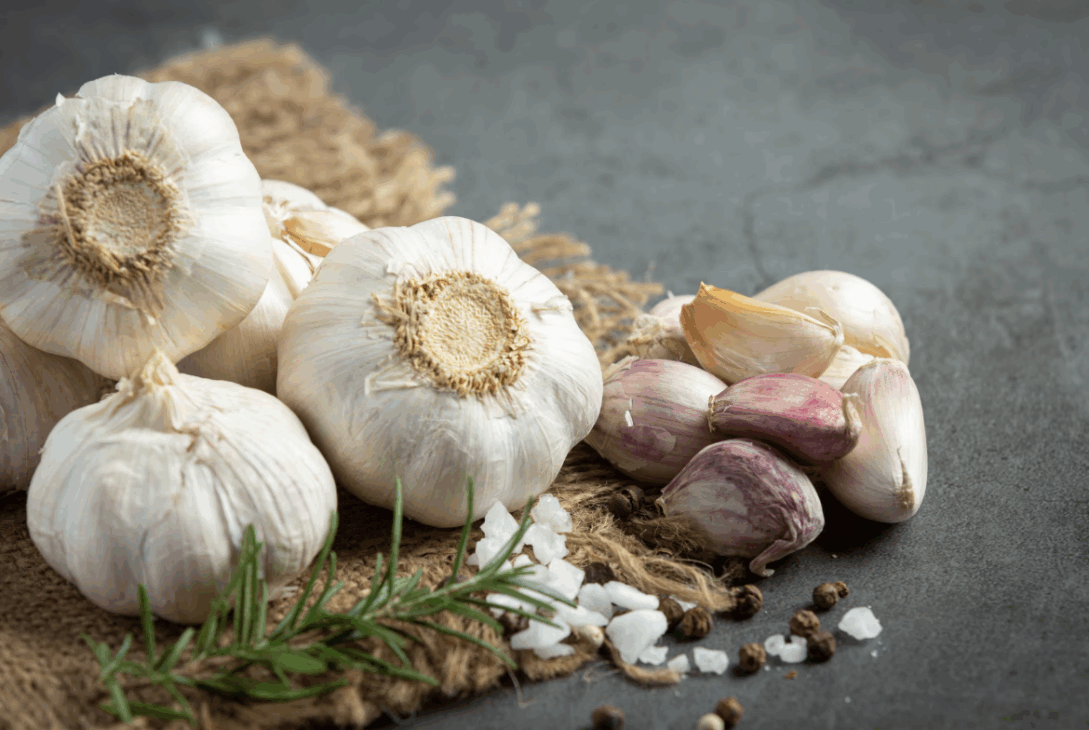
Garlic has always been treated like that familiar friend in the kitchen — reliable, strong, a little overwhelming at times. But something unusual is happening in medical circles. Researchers and doctors are looking at garlic with fresh eyes, not because of what we already know… but because of what they never expected to find.
And some of these findings make people say, “I’ve never read anything like this before.”
A New Reason Garlic Is Back in the Spotlight
For years, garlic was praised for being heart-friendly and immune-boosting. Nothing new there.
But recently, scientists noticed a strange pattern in people using garlic regularly — not in labs, not in supplements, but in day-to-day life.
They found that garlic seems to influence how the body reacts to stress, especially in older adults. Not emotional stress — cellular stress.
This discovery is raising eyebrows because it hints that garlic may play a role in slowing down certain age-related changes inside the body.
This is the part where many readers pause and say,
“Wait… garlic and cellular stress? Why has no one talked about this before?”
The Compound Doctors Are Now Focusing On
Most people think allicin is the star ingredient in garlic. But here’s what’s surprising:
Researchers are now paying attention to a lesser-known compound called ajoene.
It doesn’t appear when garlic is raw. It forms slowly when garlic is crushed and left to rest — almost like the vegetable is “activating itself.”
Why the excitement?
Because ajoene may influence something doctors call cellular miscommunication — a small but important problem that increases as people get older. When communication between cells weakens, your immune system slows down, your healing takes longer, and your energy drops without a clear reason.
The idea that a kitchen ingredient could support this delicate communication has become a talking point in medical meetings.
Garlic May Work Differently If You’re Over 50
This is one of the most interesting parts.
People above 50 seem to respond very differently to garlic compared to younger adults.
Doctors studying this pattern believe it may be because:
- Older adults naturally have more oxidative stress
- The gut microbiome shifts after 50
- The body becomes more sensitive to sulfur-based compounds
This trio creates a unique environment where garlic’s compounds — especially ajoene and S-allyl cysteine — appear to have a stronger effect.
For some, it’s almost like garlic “wakes up” again after midlife.
The Gut Connection Doctors Didn’t Expect
Another new finding:
Garlic feeds specific gut bacteria that thrive on sulfur.
Not the usual probiotic strains you hear about — but a small group of lesser-known bacteria that play a quiet role in metabolism and blood sugar control.
One microbiologist studying this said something striking:
“We’ve known garlic is healthy, but we didn’t know it was having conversations with bacteria we barely even understood.”
That sentence alone makes people say, I’ve never heard that before.
A Small Preparation Trick That Changes Everything
Here’s one of those rare, curiosity-grabbing facts:
Letting crushed garlic rest for exactly 8–10 minutes before cooking may increase beneficial compounds by up to 150%.
Most people chop garlic and toss it into a hot pan.
But heat destroys allicin and prevents ajoene from forming.
Doctors now suggest a simple tweak:
Crush. Wait. Then cook.
This tiny step changes the chemistry of garlic more than any supplement ever could.
Garlic and Nighttime Health — A Strange Link
One study looking at older adults found something surprisingly specific:
People who consumed garlic 3–4 times a week reported smoother nighttime breathing.
Not better sleep directly — but easier breathing.
Researchers think the reason is garlic’s effect on nasal nitric oxide pathways — something not usually discussed outside of medical circles.
This is one of those details that make people say,
“Wait, garlic affects nighttime airflow? I’ve never seen that anywhere.”
But Before You Rush to Eat More…
Doctors are not encouraging people to overload on garlic.
Instead, they emphasize consistency over quantity.
A little garlic, a few times a week, prepared properly, makes more difference than huge doses taken irregularly.
Also, fresh garlic behaves differently from fermented or aged garlic — and each form interacts with the body in its own way.
So Why Are Doctors Rethinking Garlic?
Because new research reveals that garlic isn’t just an old remedy — it’s a plant with hidden layers.
It influences:
- Cellular stress
- Gut communication
- Nighttime breathing
- Age-related immunity
- Energy metabolism
And the deeper researchers dig, the more they find mechanisms they simply didn’t expect.
It’s rare for a familiar food to surprise modern medicine.
Garlic is doing exactly that.