
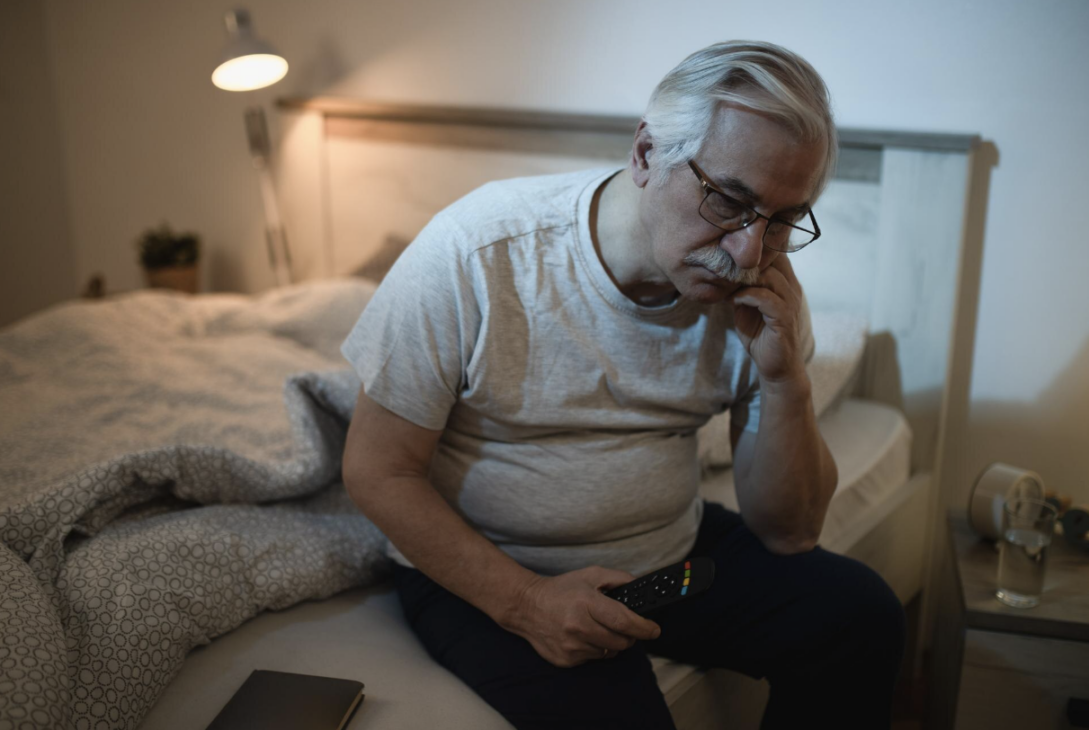
If you’ve ever wondered why your knees, hips, or shoulders seem to ache more after sunset, you’re not imagining it. Many people feel more joint pain at night, even if the whole day felt manageable. For years, doctors knew this pattern existed — but only recently have researchers uncovered why it happens.
The best part? Understanding the cause also points to ways you can reduce that nighttime pain.
1. Your Body Has an Internal Clock — And It Affects Pain
Our body runs on a 24-hour cycle called the circadian rhythm. This “body clock” decides:
- When you feel awake
- When you feel sleepy
- How your hormones rise and fall
- How your immune system works
Recent research from the University of Manchester and other labs shows that even pain-sensing cells follow this daily rhythm.
At night, the body naturally releases less cortisol — a hormone that reduces inflammation. Lower cortisol = more inflammation. And more inflammation = more pain signals.
In simple words:
Your joints are slightly more inflamed at night because your body is in “repair mode,” not “fight inflammation” mode.
2. Less Movement = More Stiffness
During the day, you’re constantly moving — even if you don’t notice it. This movement:
- pushes fluid into your joints,
- keeps cartilage nourished,
- prevents stiffness.
But at night, when you sit down or lie still for long hours, joint lubrication slows down. This makes your joints feel tighter and more sensitive.
Research from the Arthritis Foundation also shows that cartilage absorbs less fluid in long resting periods, which increases discomfort.
This is why the first few minutes after waking up often feel the worst.
3. Temperature Drops at Night — And Joints React
Your core body temperature lowers at night to help you sleep. Cooler temperature can cause:
- muscles to tighten
- joints to feel stiffer
- nerves to become more sensitive
Scientists call this “cold-induced sensitization.”
It basically means your joints react more strongly to pain when the environment is cooler.
If you’ve ever felt that your knees hurt more on cold nights — you’re not wrong.
4. Your Brain Has Fewer Distractions at Night
This part surprises most people.
Pain feels stronger when you’re not focused on anything else.
During the day you’re busy:
- talking
- walking
- working
- watching screens
Your brain has lots to do, so pain signals get less attention.
But at night, when everything is quiet and calm, your brain has fewer distractions.
That means it pays more attention to the pain signal.
This doesn’t mean the pain is “in your head.”
It means your brain notices it more because nothing else competes for attention.
5. Inflammatory Molecules Peak at Night
Newer research shows something fascinating:
Certain inflammatory molecules that affect joint pain — like IL-6 and TNF-alpha — actually increase in the evening and peak at night.
These are tiny chemical messengers that tell your body something is irritated or damaged.
Higher inflammation = more swelling, stiffness, and throbbing.
This explains why people with arthritis often say nights and early mornings are the toughest.
6. Your Sleep Position Matters More Than You Think
Researchers studying sleep ergonomics found that poor sleeping posture can compress or twist joints.
Common trouble positions:
- Sleeping on your side with knees pulled too high
- Sleeping with your arm under your head
- Sleeping on a sagging mattress
When joints stay in the wrong position for hours, pressure builds up — causing pain during the night or early morning.
So… What Can You Do About Nighttime Joint Pain?
Here are science-supported habits that help:
1. Warm the joints before bed
Warmth improves circulation and relaxes muscles.
Try a warm shower or a heating pad for 10 minutes.
2. Light movement in the evening
Not heavy exercise — just simple movements like:
- gentle stretching
- a slow walk
- light yoga
This keeps joints lubricated before bedtime.
3. Improve your sleep posture
Best position: on your back with a pillow under your knees
Second-best: on your side with a pillow between knees
4. Keep your room comfortably warm
Slightly warmer temperatures reduce stiffness.
5. Magnesium-rich foods at dinner
Magnesium helps muscles relax.
Good sources: bananas, nuts, spinach, pumpkin seeds.
6. Stay hydrated
Joint cartilage contains water. Even mild dehydration makes joints feel rougher and stiffer.
The Bottom Line
Nighttime joint pain isn’t random — it’s backed by science:
- Your body reduces inflammation-fighting hormones at night
- Your joints stiffen when you move less
- Your temperature drops
- Inflammatory molecules peak
- Your brain pays more attention to pain
Researchers are now studying ways to time medication and physical therapy around these internal rhythms, which may lead to better treatments.
Understanding why joints hurt more at night is the first step toward taking control of the pain — naturally and effectively.