
You show up.
You train hard.
You stay consistent.
But the mirror doesn’t change. Strength feels stuck. Energy keeps dipping.
It feels unfair. And confusing.
Here’s the truth most fitness advice skips: eating too little can quietly sabotage everything you’re working for.
Not in a dramatic way.
In a slow, invisible, frustrating way.
Let’s unpack this in a real, human way.
The Body Is Not a Calculator. It’s a Survival Machine.
Your body doesn’t see “fat loss goals.”
It sees survival signals.
When you eat too little for too long, your body assumes food is scarce. So it adapts.
Not to help you look better.
But to help you stay alive longer.
That adaptation often looks like:
- Slower metabolism
- Lower energy
- Stubborn fat
- Poor recovery
- Weaker workouts
It’s not failure.
It’s biology doing its job too well.
Your Metabolism Doesn’t “Break” — It Downshifts
People often say: “I think I’ve damaged my metabolism.”
What’s really happening is more subtle and more fascinating.
When calories stay low for too long:
- Your body becomes more efficient with energy
- You start burning fewer calories for the same activities
- Even unconscious movements (like fidgeting) quietly reduce
This is called adaptive thermogenesis — and it’s one of the most overlooked reasons fat loss stalls.
You’re not getting lazier.
Your body is just trying to conserve fuel like a smart battery.
Eating Too Little Can Increase Fat Storage Hormones
This surprises many people.
Extreme calorie restriction can raise cortisol, your stress hormone.
High cortisol signals your body to hold onto fat, especially around the belly.
So even though you’re eating less, your internal environment is saying:
“Danger. Save energy. Store fuel. Slow everything down.”
That’s why some people train more, eat less, and somehow feel softer instead of leaner.
Your Workouts Become Less Effective (Even If You Don’t Notice)
Underfueling doesn’t always feel dramatic.
It often shows up quietly.
Like:
- You lift the same weights for weeks with no progress
- Cardio feels heavier than it should
- Motivation fades for no clear reason
- You need more caffeine just to function
Muscle growth needs energy.
Recovery needs nutrients.
Adaptation needs fuel.
Without enough intake, your workouts become maintenance sessions instead of progress sessions.
Hunger Hormones Get Confused Over Time
Chronic undereating can disrupt two powerful hormones:
- Leptin (signals fullness and energy availability)
- Ghrelin (signals hunger)
When this system gets disrupted, you might experience:
- No hunger during the day
- Strong cravings at night
- Feeling “fine” eating very little… until suddenly you’re not
This isn’t lack of discipline.
It’s your biology trying to rebalance after prolonged restriction.
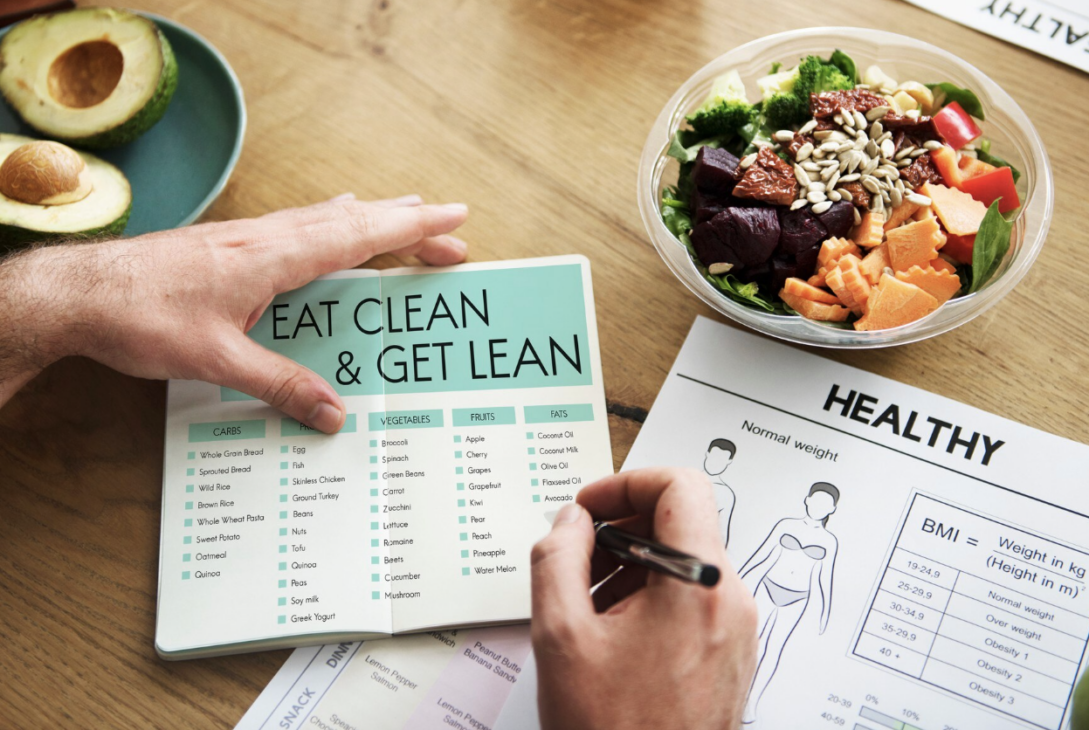
You Can Be “Eating Clean” and Still Be Underfueling
This is more common than people realize.
You might be eating:
- Whole foods
- Clean meals
- Low sugar
- High protein
- Lots of vegetables
But still not eating enough total energy for your activity level.
The result?
You feel like you’re doing everything right — yet progress stays frozen.
Nutrition quality matters.
But quantity matters too.
The Real Goal Isn’t Less Food — It’s Better Fueling
Strong bodies are built with:
- Enough calories
- Sufficient protein
- Balanced carbs and fats
- Consistent intake
Not extreme restriction.
Not constant hunger.
Not survival mode.
Sustainable fitness comes from supporting your body, not constantly fighting it.
The Shift That Changes Everything
Instead of asking:
“How can I eat less?”
A better question is:
“How can I fuel my body so it performs better?”
That mindset shift alone changes behavior, results, and relationship with food.
More strength.
Better recovery.
Better mood.
Better progress.
And ironically… often better fat loss too.
Final Thought
If your effort feels high but your progress feels low, don’t assume you’re failing.
Sometimes the problem isn’t lack of discipline.
Sometimes the problem is simply lack of fuel.
Your body is not your enemy.
It’s responding exactly as it was designed to.
When you start feeding it properly, it often responds faster than you expect.