Sleep feels passive. You close your eyes, the day ends, and your body “just rests.”
But your sleep position tells a different story.
How you lie down at night subtly changes how your spine loads, how your organs settle, how blood flows, and even how your brain clears waste. These effects aren’t dramatic enough to feel in one night—but over months and years, they quietly add up.
Below are lesser-known insights into how common sleep positions may support—or quietly strain—your body.
On Your Side: Gentle for the Spine, Busy for the Organs
Side sleeping is often described as “natural,” but the details matter more than the label.
What it may support
- Spinal decompression: A slightly bent side position can reduce pressure on the lower back when aligned well.
- Brain cleanup mode: Some research suggests side sleeping may help the brain’s waste-removal system work more efficiently during deep sleep.
- Breathing ease: Many people notice fewer nighttime breathing interruptions on their side.
Where it can quietly strain
- Shoulder compression: One shoulder bears hours of weight, which may irritate nerves over time.
- Hip imbalance: Without knee support, the top leg can pull the spine out of alignment.
- Facial pressure: Constant side pressure may affect skin elasticity and jaw tension.
Small shift that matters:
A pillow between the knees can reduce spinal twist more than changing mattresses ever could.
On Your Back: Balanced… Until It’s Not
Back sleeping keeps everything symmetrical—but symmetry doesn’t always mean comfort.
What it may support
- Even weight distribution: No single joint carries the night’s load.
- Neutral neck alignment (with the right pillow): Less rotation means fewer strain patterns.
- Reduced facial pressure: Gravity works evenly instead of sideways.
Where it can quietly strain
- Airway narrowing: Gravity pulls soft tissues backward, which can disrupt breathing for some sleepers.
- Lower back tension: A flat surface doesn’t naturally support the spine’s curve.
- Morning stiffness: Muscles may stay too inactive through the night.
Small shift that matters:
A thin pillow under the knees can soften lower-back pressure without changing your position.
On Your Stomach: Alert Body, Tired Spine
Stomach sleeping often starts as comfort—but the body pays attention.
What it may support
- Reduced snoring for some people
- A feeling of “groundedness” that helps certain nervous systems fall asleep faster
Where it can quietly strain
- Neck rotation: The head stays twisted for hours, stressing nerves and joints.
- Compressed spine: Natural curves flatten under body weight.
- Shallow breathing: The chest has less room to expand.
Small shift that matters:
A very thin pillow—or none at all—can reduce neck strain if stomach sleeping is hard to break.
The Left vs. Right Side Debate (Why Direction Matters)
Side sleeping isn’t one-size-fits-all.
- Left-side sleeping may support digestion and reduce nighttime reflux due to stomach positioning.
- Right-side sleeping may feel more comfortable for the heart in some cases—but can increase pressure on certain organs.
Neither is “right” or “wrong.” Your body often signals preference long before science explains why.
What Most People Miss: Micro-Movements at Night
Your body is meant to move during sleep.
Small shifts reset circulation, release pressure, and prevent stiffness.
Problems often arise not from which position you choose—but from getting stuck in one position for too long.
Signs your sleep position isn’t working for you:
- Waking up with numb hands or arms
- One-sided neck or hip pain
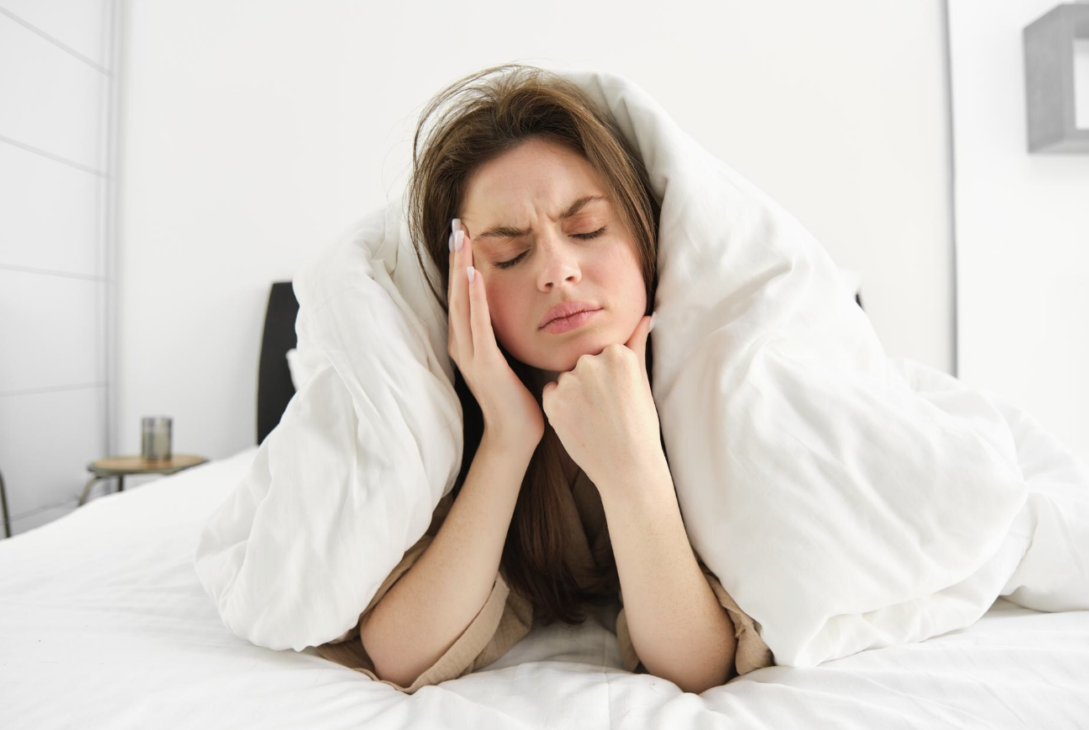
- Jaw tightness or headaches
- Feeling unrested despite enough hours
These are whispers, not alarms—but they’re worth listening to.
The Real Secret: Support, Not Perfection
There is no perfect sleep position.
There is only better support for the position your body naturally chooses.
What helps most people isn’t forcing a new posture—it’s:
- A pillow that supports, not lifts
- Space for joints to relax
- Alignment that feels neutral, not rigid
Sleep is when the body repairs quietly.
Your position decides whether that repair feels effortless—or uphill.
Sometimes, healing starts with nothing more dramatic than how you lie down.