

Feeling bloated, gassy, or burning up from acid reflux? These common digestive issues can disrupt your day, but the good news is that simple home solutions can help soothe your stomach and reduce discomfort naturally.
Why Upset Stomach and Acid Reflux Happen
Upset stomach and acid reflux often occur when digestive acids irritate the stomach lining or flow back into the esophagus. Common triggers include:
- Overeating or eating too quickly
- Spicy, greasy, or acidic foods
- Stress and anxiety
- Alcohol, caffeine, or carbonated drinks
- Lying down immediately after meals
Understanding triggers is the first step to preventing discomfort.

Home Solutions for Upset Stomach
1. Ginger
Ginger is a natural anti-inflammatory that helps calm nausea and improve digestion.
How to use:
- Drink ginger tea or chew a small piece of fresh ginger.
- Add ginger to soups, smoothies, or meals for gentle relief.
2. Peppermint
Peppermint relaxes the digestive tract muscles and can reduce bloating and gas.
How to use:
- Sip peppermint tea after meals.
- Avoid peppermint if you have severe acid reflux, as it may relax the esophageal sphincter and worsen symptoms.
3. Baking Soda and Water
Baking soda is alkaline and can neutralize excess stomach acid temporarily.
How to use:
- Mix ½ teaspoon of baking soda in a glass of water and drink slowly.
- Use sparingly—frequent use can cause side effects.
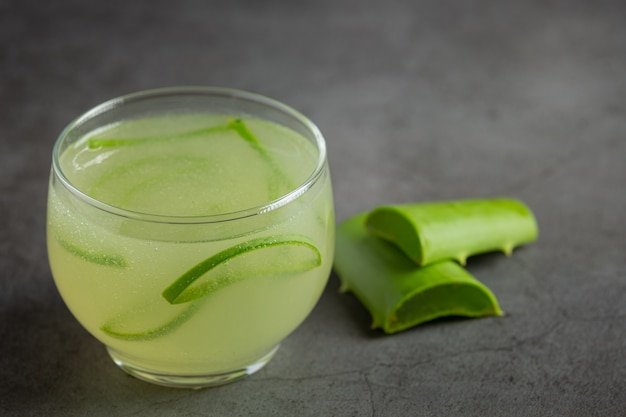
4. Aloe Vera Juice
Aloe vera can soothe the digestive lining and reduce inflammation.
How to use:
- Drink a small amount of aloe vera juice before meals.
- Ensure it’s specifically prepared for internal use.
5. Apple Cider Vinegar
Though acidic, apple cider vinegar can help balance stomach pH when diluted.
How to use:
- Mix 1 teaspoon of apple cider vinegar in a glass of water and drink before meals.
- Start with a small amount to test tolerance.
6. Chamomile Tea
Chamomile reduces stomach inflammation and relaxes the digestive tract.
How to use:
- Drink 1–2 cups of chamomile tea daily to calm stomach upset.
7. Adjust Eating Habits
Simple lifestyle adjustments make a huge difference:
- Eat smaller, more frequent meals
- Avoid lying down immediately after eating
- Chew food slowly and thoroughly
- Limit trigger foods like fried, spicy, or acidic items

8. Stay Hydrated and Move Lightly
Water aids digestion and prevents constipation, while light movement like walking after meals helps move food through the digestive tract.
Tip: Gentle walks of 10–15 minutes after meals can significantly reduce bloating and acid reflux.
When to See a Doctor
While home remedies help most mild cases, consult a doctor if you experience:
- Severe or persistent stomach pain
- Blood in vomit or stool
- Unexplained weight loss
- Difficulty swallowing or chronic heartburn
These could indicate underlying conditions that need medical attention.
Final Thoughts
Upset stomach and acid reflux are common, but they don’t have to disrupt your life. By incorporating ginger, peppermint, aloe vera, chamomile, and mindful eating habits, you can soothe your digestive system naturally and feel more comfortable.
Start with one or two remedies, identify your triggers, and combine natural solutions with lifestyle adjustments for lasting relief.