In our fast-paced world, anxiety and stress have become constant companions for many. The pressure to perform, the constant connectivity of social media, and the relentless demands of daily life can leave us feeling overwhelmed and on edge. While professional help and medication are crucial for severe cases, there are numerous natural, accessible strategies that can help calm your nervous system, reduce feelings of anxiety, and manage everyday stress.
These aren’t quick fixes, but rather powerful habits that, when integrated into your routine, can build your resilience and create a more peaceful state of mind.
1. Harness the Power of Your Breath
It’s the most immediate tool you have to combat stress. When we’re anxious, our breathing becomes shallow and rapid, reinforcing the “fight or flight” response. Deep, conscious breathing does the opposite: it signals to your brain that you are safe, activating the parasympathetic nervous system which promotes rest and relaxation.
- Try This: The 4-7-8 Breathing Technique. Inhale quietly through your nose for a count of 4. Hold your breath for a count of 7. Exhale completely through your mouth with a whoosh sound for a count of 8. Repeat this cycle 3-4 times. This simple exercise can be done anywhere, anytime you feel stress creeping in.
2. The Mind-Body Connection: Movement and Mindfulness
Regular physical activity is one of the most effective natural remedies for anxiety. It not only reduces stress hormones like cortisol but also releases endorphins, the body’s natural mood elevators.
- Low-Intensity Movement: Activities like walking, jogging, or cycling can be meditative and allow you to clear your head.
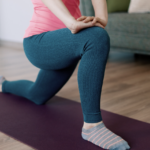
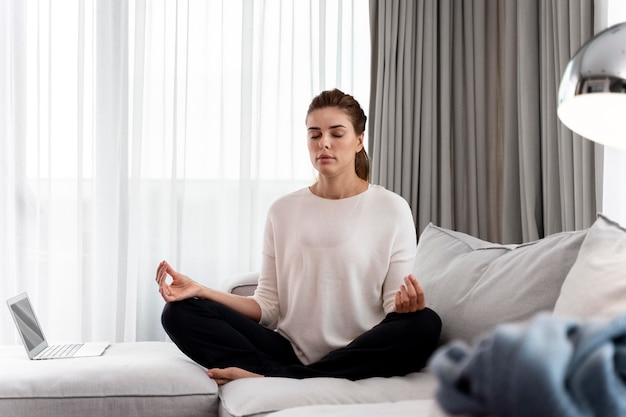
- Yoga and Tai Chi: These practices combine gentle movement with breathwork and meditation, teaching you to be present and calm the mind. The focus on body awareness can help ground you when you feel overwhelmed.
- Mindful Movement: Try to be fully present during your exercise. Notice the sensation of your feet hitting the ground, the rhythm of your breath, and the way your muscles feel. This shifts your focus from anxious thoughts to the present moment.
3. The Soothing Power of Herbs and Aromas
Nature provides a wealth of herbs known for their calming properties.
- Chamomile: This gentle herb has long been used to promote relaxation and sleep. A warm cup of chamomile tea is a classic ritual for winding down at the end of the day.
- Lavender: The scent of lavender is a powerful anxiolytic (anxiety-reducing agent). You can use lavender essential oil in a diffuser, add a few drops to a warm bath, or spray it on your pillow before bed.
- Valerian Root: Known for its sedative effects, valerian root is often used to combat insomnia and can help with stress-related anxiety. It’s typically consumed as a tea or supplement.
Important Note: Always consult with a healthcare professional before using herbal supplements, especially if you are pregnant, nursing, or on medication.
4. Fuel Your Calm: Nutrition’s Role
What you eat (and what you don’t) can have a direct impact on your mental state.
- Magnesium-Rich Foods: Often called the “calming mineral,” magnesium plays a vital role in regulating the nervous system. Increase your intake of leafy greens, nuts, seeds, and dark chocolate.
- Omega-3 Fatty Acids: Found in fatty fish, walnuts, and chia seeds, Omega-3s are linked to improved brain health and can help reduce symptoms of anxiety and depression.
- Limit Stimulants: Cut back on caffeine and alcohol. While a cup of coffee might give you a temporary energy boost, it can also exacerbate feelings of nervousness and anxiety. Alcohol can provide temporary relief, but it disrupts sleep and can worsen anxiety in the long run.

5. Create a Soothing Environment
Your physical space can either contribute to or alleviate your stress.
- Declutter: A cluttered space can lead to a cluttered mind. Spend a few minutes each day tidying up your surroundings.
- Connect with Nature: Even a short walk in a park or a few minutes spent watching the sunset can have a profound calming effect. The sights and sounds of nature have been shown to reduce blood pressure and heart rate.
- Relaxing Rituals: Create a nightly routine that signals to your body that it’s time to unwind. This could be reading a book, listening to calming music, or taking a warm bath.
Anxiety and stress are complex issues, but you have more control over them than you might think. By making small, consistent changes to your daily habits—by focusing on your breath, moving your body, and leaning on nature’s remedies—you can build a foundation of calm and take back your peace of mind.