For decades, scientists, doctors, and families have searched for a single explanation behind autism — a single gene, a single environmental factor, or a single pattern in the brain. But new research now confirms what many in the autism community have long understood: autism is not one condition, and it does not have one cause.
A Spectrum in Every Sense
Autism, or Autism Spectrum Disorder (ASD), is a developmental condition that affects communication, behavior, and social interaction. But the term “spectrum” is more than just a label — it reflects a wide range of differences in how autistic people experience the world.
Some individuals may be highly verbal and independent, while others may have significant challenges with speech, sensory sensitivity, or daily living skills. This diversity makes it difficult to define autism as a single disorder with a single root cause.
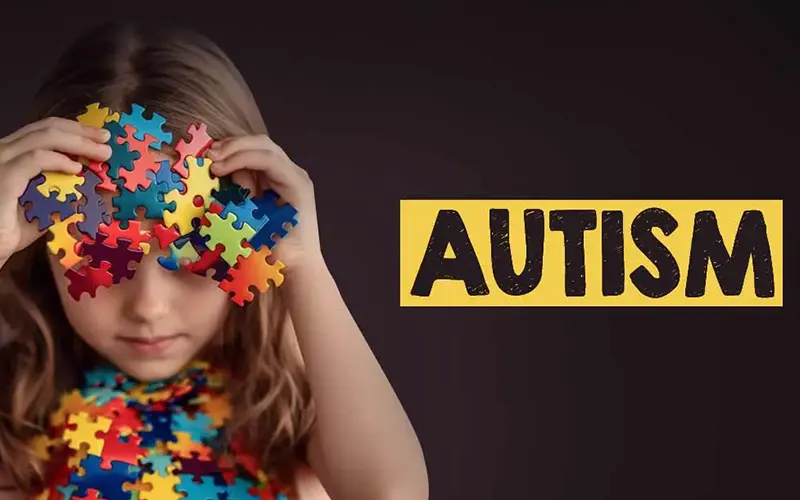
Recent scientific studies have shown that there are many “autisms,” each with its own biological and genetic signatures. Rather than a uniform condition, autism appears to be a collection of overlapping neurodevelopmental patterns.
The Many Roots of Autism
Researchers now believe that hundreds of genetic variations may play a role in autism. No single “autism gene” exists — instead, different combinations of genetic differences may influence how the brain develops and functions.
For some individuals, autism may be primarily genetic. For others, it could involve complex interactions between genes and environmental influences, such as prenatal factors, immune system responses, or early brain development patterns.
Dr. Daniel Geschwind, a leading neuroscientist at UCLA, explains:
“Autism is a family of conditions. There are shared features, but the biological paths that lead to those features can be very different.”
Why This Discovery Matters
Recognizing autism as a diverse set of conditions changes how science approaches both research and treatment. Instead of searching for one “cure” or one biomarker, scientists are now focusing on personalized approaches — understanding what type of autism an individual has and tailoring support accordingly.
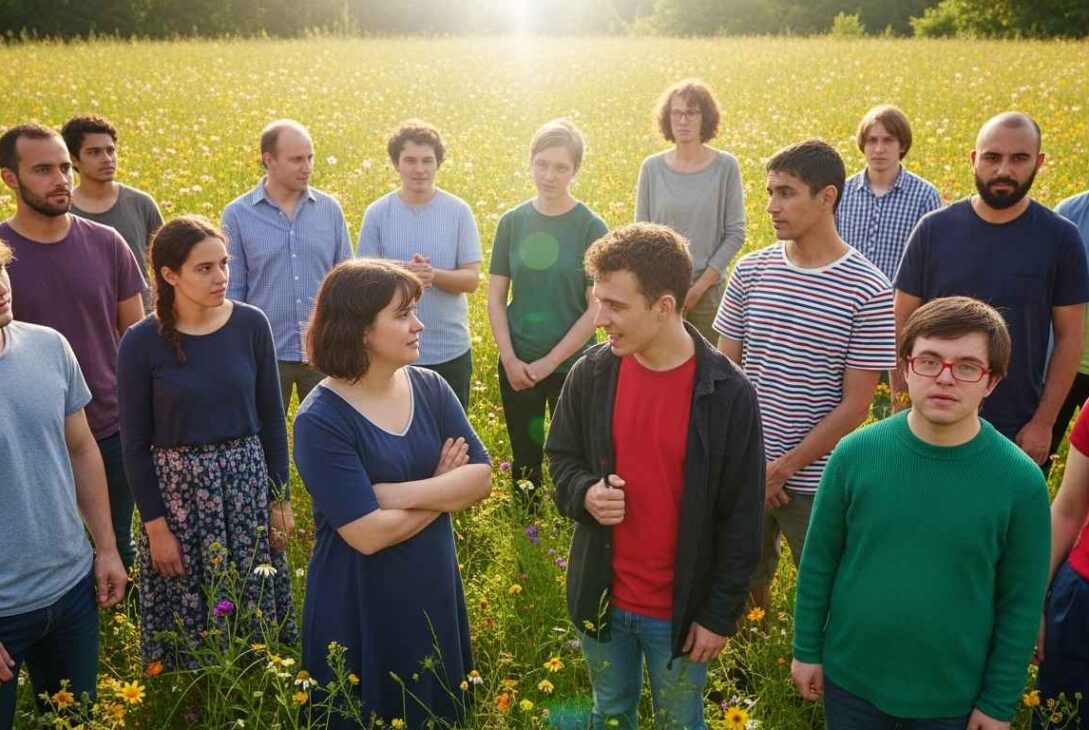
This shift also helps move away from outdated stereotypes. Autism is not a single story; it is a spectrum of identities, strengths, and challenges. Some people with autism may excel in pattern recognition, logic, or creativity. Others may need lifelong support. Both are valid experiences that deserve understanding and respect.
A Future of More Accurate Understanding
By acknowledging autism’s complexity, researchers hope to develop more effective interventions. Early diagnosis could become more precise, and therapies could be designed based on specific biological subtypes rather than broad categories.
Just as cancer treatment has evolved from one-size-fits-all to targeted medicine, autism research is moving in the same direction — toward personalized neurodevelopmental care.
Rethinking Autism Beyond the Lab
While the scientific discoveries are crucial, there’s another equally important shift happening — in how society views autism. The growing recognition of neurodiversity emphasizes acceptance, accommodation, and inclusion rather than “fixing” or “normalizing” autistic people.
Autism is not a disease to be cured, but a different way of experiencing the world — one that deserves understanding, respect, and support.