
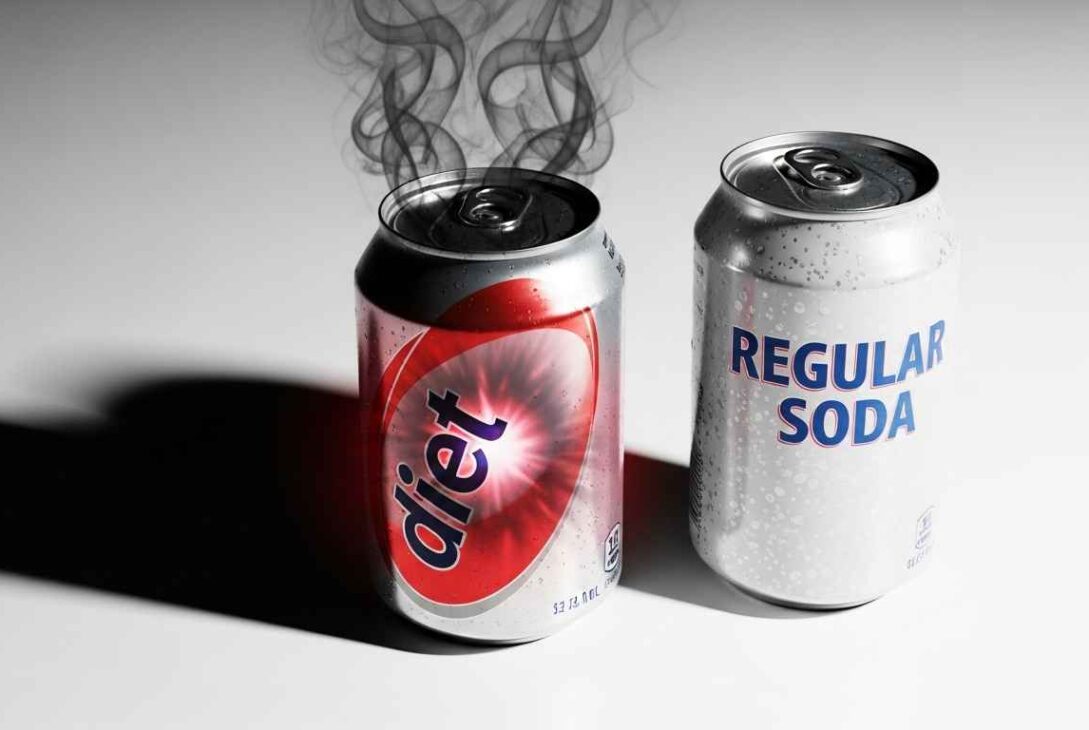
For years, diet sodas have been marketed as the “healthier” alternative — zero sugar, zero calories, and all the flavor. But recent research paints a very different picture. That seemingly harmless can of diet soda might be doing more harm to your body than you think — in some ways, even more than regular soda.
The Artificial Sweetener Problem
The key difference between regular and diet soda lies in the sweeteners.
Regular soda is packed with sugar — often 35 to 40 grams per can — which we know contributes to obesity, diabetes, and tooth decay. Diet soda, on the other hand, replaces sugar with artificial sweeteners like aspartame, sucralose, or acesulfame potassium.
While these sweeteners drastically cut calorie intake, studies suggest they can confuse your body’s metabolism. When your brain tastes something sweet but doesn’t receive real sugar, it can trigger increased cravings for high-calorie foods later — leading to overeating and weight gain in the long run.
Impact on Heart and Metabolic Health
Multiple studies have linked daily consumption of diet soda to a higher risk of stroke, heart attack, and metabolic syndrome.
In fact, a 2021 study published in JAMA Network Open found that people who regularly consumed artificially sweetened beverages had a significantly greater risk of cardiovascular disease compared to those who drank them rarely or not at all.
Even one can per day can begin to affect insulin sensitivity — the body’s ability to manage blood sugar effectively. Over time, this can lead to type 2 diabetes, the very condition many people drink diet soda to avoid.
Your Brain on Diet Soda
Artificial sweeteners don’t just affect your waistline — they can also influence your brain. Research indicates that long-term consumption of aspartame may alter neurotransmitters, potentially impacting mood, memory, and focus.

Some studies have even linked heavy diet soda intake to a higher risk of depression and cognitive decline. Though more research is needed, it’s clear that these chemical sweeteners aren’t as harmless as once thought.
Gut Health Takes a Hit
Your gut microbiome — the trillions of bacteria living in your digestive system — plays a crucial role in digestion, immunity, and even mood regulation. Artificial sweeteners can disrupt this delicate ecosystem.
For example, sucralose has been shown to kill beneficial gut bacteria and reduce microbial diversity, which can lead to digestive issues and systemic inflammation.
In contrast, while regular soda’s sugar is still harmful in excess, it doesn’t have the same microbiome-disrupting chemicals that diet sodas do.
The “Zero-Calorie” Illusion
The biggest misconception about diet soda is that “zero calories” equals “zero impact.”
In reality, your body reacts to the sweet taste — whether from sugar or artificial substitutes — by releasing insulin and preparing for sugar that never arrives. This process can throw off hormonal balance, hunger signals, and energy regulation.
So even if the drink itself has no calories, it can indirectly cause weight gain by tricking your body into craving more food later.
So, What’s the Better Choice?
Between the two, neither regular nor diet soda is good for your health — but if you had to choose, moderate regular soda consumption (once in a while) may actually be less harmful than daily diet soda intake.
The best option? Gradually replace both with sparkling water, unsweetened iced tea, or flavored water infused with real fruit. You’ll still enjoy the fizz or flavor without flooding your body with chemicals or sugar.
Final Thoughts
Diet soda was designed to help people cut calories — but the science now suggests it may do the opposite. From gut health to heart disease, artificial sweeteners carry risks that can outweigh the temporary satisfaction of a sweet sip.
So next time you reach for that “zero-calorie” can, remember: sometimes the healthiest choice is none at all.