
Recovery is often treated like a shopping problem.
Buy the right powder. Add the right capsule. Mix, shake, done.
But the human body didn’t evolve around tubs and scoops. It evolved around food that carries signals, not labels. And some of the most effective recovery foods are quiet, ordinary, and almost never marketed.
Below are recovery foods that work not because they’re trendy — but because the body recognizes them instantly.
Why Real Food Heals Differently Than Supplements
Supplements isolate.
Real food communicates.
Whole foods come with enzymes, fibers, minerals, and natural ratios that supplements can’t recreate. This matters during recovery, when the body is trying to repair tissue, calm inflammation, and restore balance at the same time — not one system at a time.
Recovery is not a switch.
It’s a conversation.
1. Cooked Leafy Greens (Not Raw)
Raw greens get all the praise, but cooked greens are often better for recovery.
Lightly cooking spinach, mustard greens, or amaranth greens reduces compounds that block mineral absorption. What’s left becomes easier to digest — which means less energy wasted during recovery.
Why they matter:
- Magnesium helps muscles relax
- Vitamin K supports tissue repair
- Iron aids oxygen delivery during healing
Recovery insight:
When digestion is easier, recovery happens faster. The body doesn’t want to “work hard” after stress — it wants cooperation.
2. Potatoes (Yes, Plain Potatoes)
Potatoes are quietly powerful recovery food.
They provide potassium in amounts most supplements don’t, and potassium plays a major role in nerve signaling and muscle contraction. Low potassium often feels like soreness that doesn’t fully go away.
Why potatoes help:
- Restore electrolyte balance
- Reduce muscle cramping
- Support glycogen refill without irritating digestion
Lesser-known fact:
Cold, cooked potatoes develop resistant starch, which feeds gut bacteria — and gut health strongly influences inflammation and recovery.
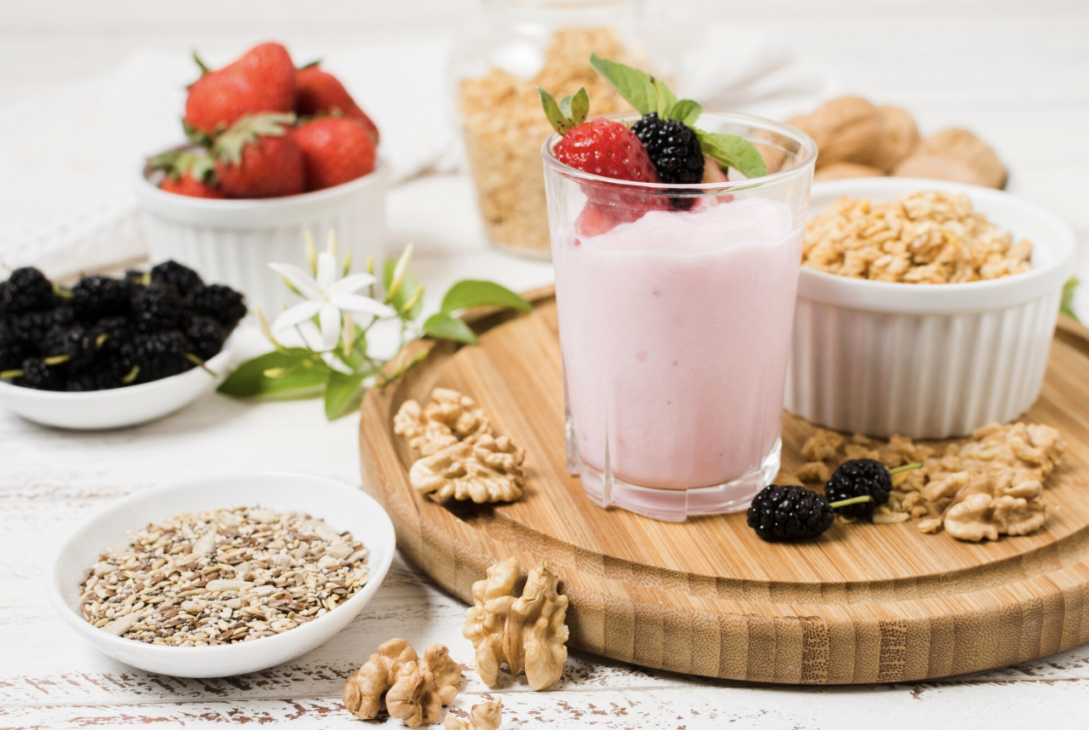
3. Yogurt or Curd (Especially Slightly Sour)
Fermented dairy carries living signals, not just protein.
Curd helps the gut lining recover after stress, illness, or intense activity. A calm gut sends fewer inflammatory signals to the rest of the body.
Why it matters:
- Gut bacteria influence muscle soreness
- Calcium supports nerve recovery
- Fermentation improves protein absorption
Human truth:
When digestion feels settled, the body recovers faster — even if nothing else changes.
4. Bananas (But Timing Matters)
Bananas aren’t special because of sugar.
They’re special because of how gently they deliver energy.
They contain vitamin B6, which helps convert food into usable energy — an often-missed step in recovery.
Best time to eat them:
- After physical stress
- When appetite is low
- When muscles feel “flat” or weak
Important note:
Bananas support recovery best when eaten alone or with simple foods, not heavy meals.
5. Bone-Based Broths (Even Simple Ones)
Broth doesn’t scream “nutrition,” but it whispers recovery.
It provides collagen fragments, glycine, and minerals that support connective tissue — the part of the body that heals slowest and gets ignored the most.
Why it works:
- Supports joints and fascia
- Calms the nervous system
- Hydrates at a cellular level
Quiet advantage:
Warm liquids signal safety to the body — and the body repairs better when it feels safe.
6. Eggs (Especially the Yolk)
Egg whites get attention.
The yolk does the real recovery work.
The yolk contains choline, fat-soluble vitamins, and antioxidants that support brain-to-muscle communication.
Why this matters:
- Recovery isn’t just muscular — it’s neurological
- Better nerve signaling reduces lingering soreness
- Hormonal balance improves tissue repair
Simple rule:
If you throw away the yolk, you throw away recovery.
7. Seasonal Fruits (Not Imported Ones)
Seasonal fruits contain freshness signals that the body responds to differently than long-stored produce.
Local fruits often:
- Have higher water content
- Digest faster
- Reduce oxidative stress naturally
Examples:
- Papaya for digestive recovery
- Citrus for connective tissue support
- Berries for post-stress inflammation
Human observation:
The body trusts food that hasn’t traveled longer than you have.
8. Soaked Nuts and Seeds
Dry nuts are hard on recovery digestion.
Soaked nuts are cooperative.
Soaking reduces enzyme blockers, making minerals like zinc and magnesium easier to absorb — both critical for repair.
Why zinc matters:
- Supports wound healing
- Improves immune recovery
- Helps tissue rebuild faster
Small change, big impact:
Soaking doesn’t add nutrients — it unlocks them.
What Most People Miss About Recovery Food
Recovery isn’t about adding more.
It’s about removing friction.
If food digests easily, calms inflammation, and restores minerals, the body naturally shifts into repair mode.
No labels required.
The Takeaway
The best recovery foods don’t come with claims.
They come with comfort, familiarity, and balance.
If a food makes your body feel calmer within an hour — not heavier, not wired — it’s likely helping you recover.
And the more your food feels like food,
the less your body has to fight to heal.