When the World Stopped Overnight
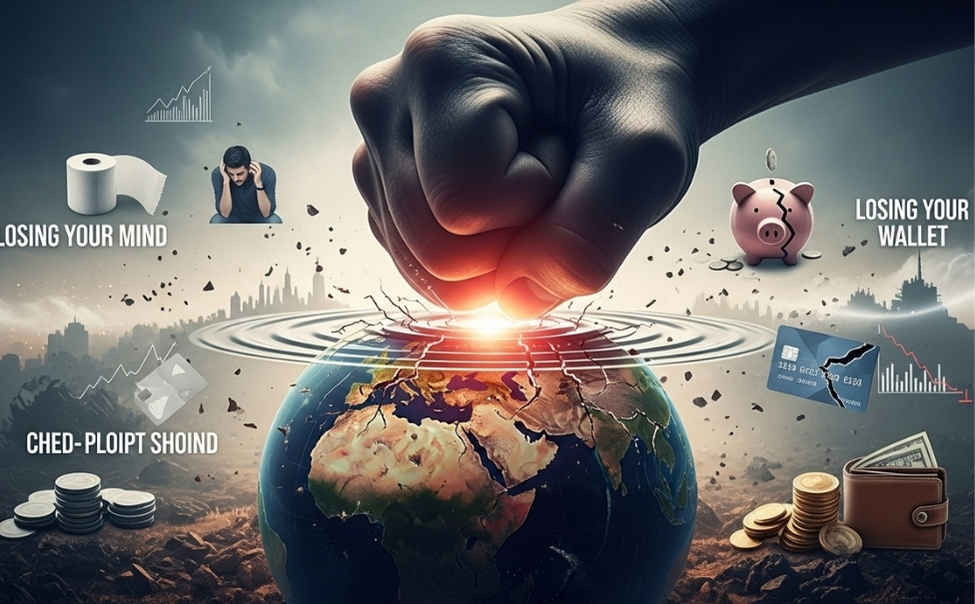
Do you remember that eerie feeling in 2020, when bustling streets turned silent, store shelves emptied, and uncertainty loomed heavier than the virus itself? For many, the pandemic felt like a sucker punch — a sudden blow we never saw coming.
Jobs vanished. Savings evaporated. Health became fragile. And just like that, millions of people realized how unprepared they were for a crisis of this magnitude.
But here’s the truth: pandemics and global disruptions aren’t “once-in-a-lifetime” anomalies anymore. Whether it’s a new health threat, supply chain breakdown, or economic crash, the world has become more unpredictable than ever.
This is where Pandemic Sucker Punch steps in — not as another doom-and-gloom prophecy, but as a survival roadmap for modern life, blending practical strategies, emotional resilience, and a wake-up call we can’t afford to ignore.
The Silent Cost of Being Unprepared
Most people think of “preparedness” in extremes: stockpiling canned food like a doomsday prepper, or ignoring the risks altogether and hoping for the best.
The reality lies somewhere in between.
During the last pandemic:
- 48% of Americans said they couldn’t cover a $400 emergency expense.
- Panic buying led to shortages of essentials — not because they were unavailable, but because demand outpaced preparation.
- Mental health struggles surged, with anxiety and depression rates nearly tripling within months.
Pandemic Sucker Punch argues that being unprepared doesn’t just cost money — it costs peace of mind. And sometimes, that’s the heaviest price of all.
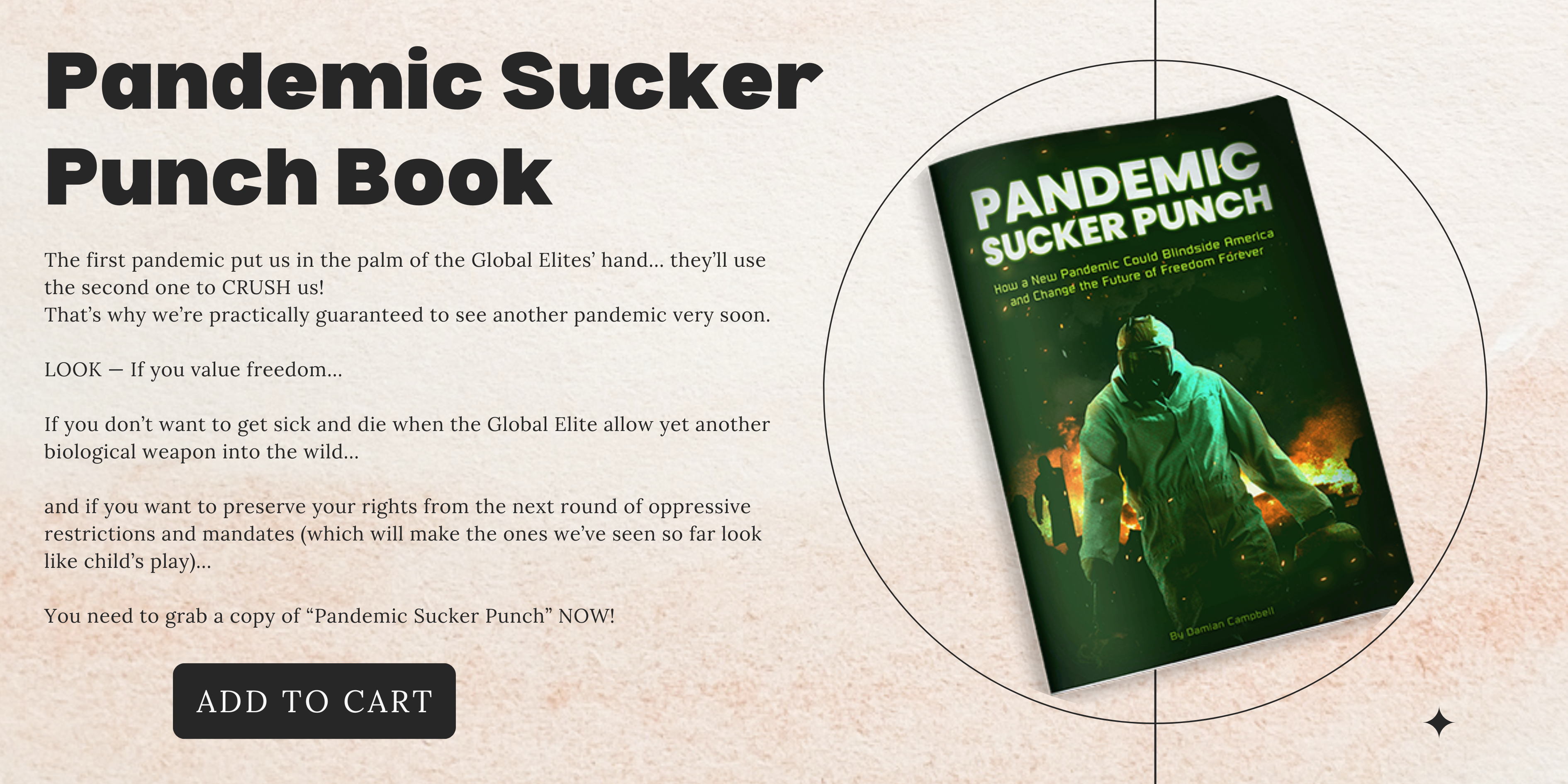
What This Book Really Teaches
At its core, Pandemic Sucker Punch isn’t just about pandemics. It’s about how to outsmart chaos in any crisis, whether it’s a health scare, financial crash, or natural disaster.
Here are some of its most compelling takeaways:
🔹 Lesson 1: Build Resilience Before You Need It
The book reminds us that resilience isn’t built overnight. Small daily habits — like saving a little more, building a pantry of essentials, or strengthening your immune system — compound into real security when disaster strikes.
🔹 Lesson 2: The Mind Is the First Line of Defense
Fear spreads faster than any virus. That’s why emotional resilience is just as important as physical preparedness. Techniques like grounding, mindfulness, and reframing anxiety aren’t luxuries — they’re survival tools.
🔹 Lesson 3: Financial Survival > Financial Success
Most personal finance advice focuses on growing wealth. But during crises, the question isn’t how much you’re making — it’s how much you can sustain. The book outlines ways to recession-proof your income and avoid common traps that leave families vulnerable.
🔹 Lesson 4: Connection Beats Isolation
Perhaps the most powerful insight is that humans don’t survive alone. Building networks, strengthening communities, and cultivating trust make us far more resilient than any solo effort.
Why This Book Matters Now More Than Ever
Some may think, “The pandemic is behind us, why revisit it?”
But history says otherwise:
- The Spanish Flu in 1918.
- SARS in 2003.
- H1N1 in 2009.
- COVID-19 in 2020.
The cycle is clear: outbreaks and disruptions will come again. The question is when, not if.
Pandemic Sucker Punch isn’t about fear-mongering. It’s about shifting from a reactionary mindset (“I’ll figure it out when it happens”) to a proactive one (“I’m ready, no matter what”). That subtle shift could mean the difference between panic and calm, scarcity and security.
Curiosity Corner: Did You Know?
- The average grocery store only stocks three days’ worth of food at any given time. A supply chain disruption can clear shelves in hours.
- During the early weeks of 2020, sales of yeast skyrocketed 647% as people scrambled to bake their own bread.
- 70% of small businesses reported losing half their income in the first three months of the pandemic.
These aren’t just fun facts — they’re reminders of how fragile “normal life” really is.
How to Pandemic-Proof Your Future
You don’t need to live in fear or build a bunker. Instead, you need a layered approach:
- Start with Essentials: Keep a reasonable stash of food, water, and medical supplies. Nothing extreme — just a cushion that buys you peace of mind.
- Strengthen Your Health: Your immune system is your body’s built-in defense. Sleep, nutrition, and exercise matter more than panic pills.
- Protect Your Finances: Build an emergency fund, diversify your income, and avoid high-risk debt.
- Stay Informed, Not Overwhelmed: Learn to filter reliable sources from noise. Panic thrives on misinformation.
- Invest in Community: A strong network of friends, neighbors, or online groups can provide support when resources run thin.
These are the same pillars Pandemic Sucker Punch builds upon — not flashy, not fear-based, but practical and empowering.
Final Thoughts: From Sucker Punch to Counterpunch
The last pandemic taught us a painful lesson: we can’t predict the future, but we can prepare for it.
The real sucker punch isn’t the crisis itself — it’s being caught off guard.
Books like Pandemic Sucker Punch don’t just hand out checklists; they shift mindsets. They remind us that preparedness is not paranoia — it’s peace of mind.
👉 So here’s your challenge: pick one area today — health, finances, or community — and take a small step toward resilience. Start a savings jar. Stock a shelf. Call a neighbor.
Because the next time life throws a sucker punch, you’ll be ready to counterpunch.