
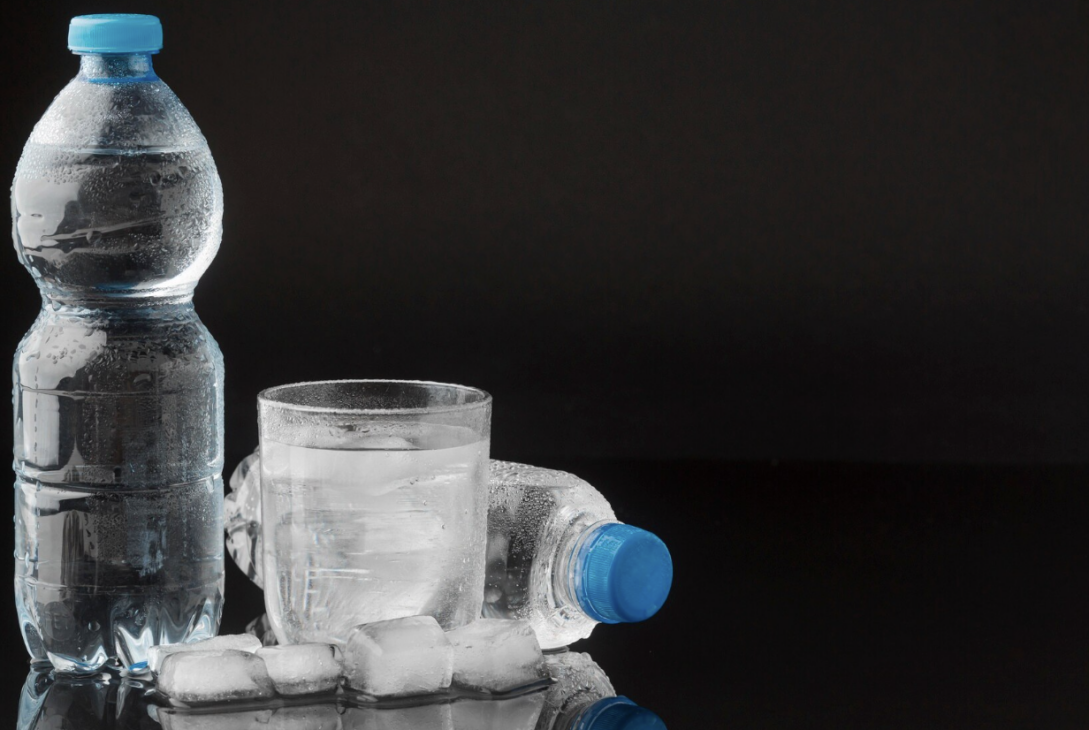
For years, bottled water carried a quiet promise.
Not shouted.
Not explained.
Just assumed.
If it comes sealed, labeled, and costs more than tap water, it must be cleaner, safer, and better.
That belief slipped into our lives without debate. We packed bottles for travel. We trusted them at airports. We handed them to children without a second thought.
But the biggest lie about bottled water isn’t that it’s “bad.”
It’s that it’s automatically better.
And that assumption deserves a closer look.
Lie #1: Bottled water comes from a completely different, purer place
Here’s the part most people never pause to think about.
A surprising amount of bottled water begins its journey from the same municipal sources as tap water. In many cases, it’s filtered, treated again, and packaged — not discovered flowing untouched from a remote mountain.
That doesn’t make it unsafe.
But it does make the story feel… edited.
The label often highlights imagery — glaciers, springs, untouched land — while the actual source sits quietly in small print.
The lie wasn’t in the water.
It was in the picture painted around it.
Lie #2: “Regulated” means “watched every day”
Most people assume bottled water is monitored constantly.
In reality, bottled water and tap water often fall under different regulatory systems, with different testing schedules and transparency rules.
Tap water quality reports are usually public and detailed. Bottled water testing results? Not always as visible, and not always easy to access.
This doesn’t mean bottled water is unsafe.
It means “regulated” doesn’t always mean “more visible.”
That distinction matters more than most of us realized.
Lie #3: Plastic bottles are neutral bystanders
Plastic bottles don’t just hold water — they interact with it.
Temperature, time, and storage conditions can influence what leaches into the water at microscopic levels. These changes are invisible, tasteless, and rarely discussed in everyday conversations.
Most people don’t think about how long a bottle sat in a warehouse.
Or a truck.
Or under heat.
The lie was that the container doesn’t matter.
In reality, it’s part of the equation.
Lie #4: Bottled water is a health upgrade
Somewhere along the way, bottled water became linked with wellness.
It sat next to gym bags. Yoga mats. Desk plants.
But hydration doesn’t magically improve because the water arrived shrink-wrapped. For most healthy adults, basic drinking water — when properly treated — does the same job: keeping the body hydrated.
The upgrade wasn’t physiological.
It was psychological.
And psychology is powerful.
Lie #5: Paying more means choosing smarter
Price has a strange effect on trust.
When something costs more, the brain quietly assigns it higher value. Bottled water benefited from this bias for years.
But cost often reflects packaging, transport, branding, and convenience, not necessarily purity.
The lie was subtle:
If it costs more, it must care more about you.
That’s not always how economics works.
What most people never consider (and almost no one talks about)
Here’s a detail that feels oddly absent from public discussion:
Water doesn’t exist alone. It carries context.
The pipes it flows through.
The bottle it sits in.
The time it waits before being opened.
Two identical waters can feel different — not because of chemistry alone, but because of trust, habit, and expectation.
We weren’t choosing bottled water just for hydration.
We were choosing certainty in an uncertain world.
And that’s very human.
A thought that might make you pause
What if the real success of bottled water wasn’t about water at all — but about teaching us to distrust what’s familiar?
Most people have never framed it this way.
Not “Is bottled water good or bad?”
But “Why did we stop trusting what flows quietly into our homes?”
That question opens a door few articles walk through.
The takeaway (without telling you what to believe)
Bottled water isn’t a villain.
Tap water isn’t a hero.
The biggest lie was thinking one deserved blind trust while the other deserved suspicion.
Once you see that, your relationship with water changes — not because someone told you to switch, but because you started thinking differently.
And that’s where real awareness begins.