Most people think workout results come only from effort.
But the truth is quieter and more interesting: your body responds more to timing than intensity.
You can train hard and still feel drained, stuck, or sore for days — simply because your food timing is working against you.
Let’s fix that.
Why Eating Around Workouts Is Different From Regular Eating
Food before and after exercise does two different jobs.
Pre-workout food = performance fuel
Post-workout food = recovery signal
Think of it like this:
- Before: you’re loading the battery
- After: you’re repairing the wires
Skip either, and the system works… just poorly.
What to Eat Before a Workout (So Your Body Feels Ready, Not Heavy)
The goal before a workout isn’t fullness.
It’s available energy without discomfort.
Your body prefers:
- Simple carbs for fast fuel
- A small amount of protein for muscle protection
- Low fat and low fiber to avoid stomach heaviness
Smart pre-workout food ideas:
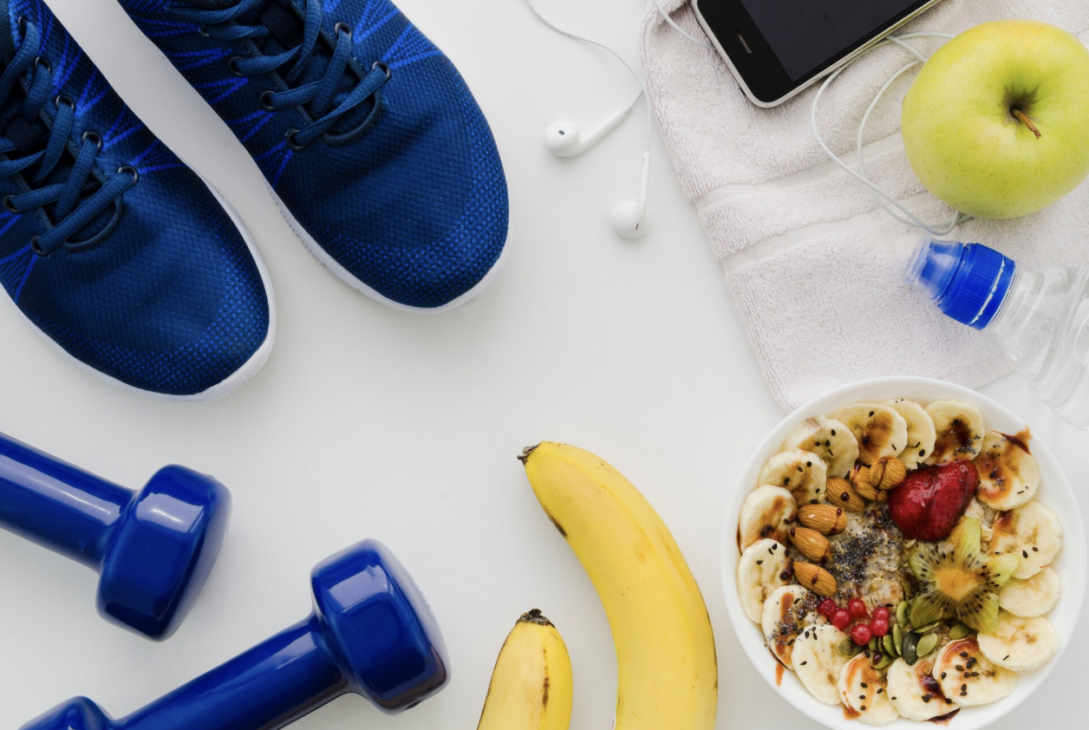
- Banana + a spoon of peanut butter
- Toast + honey
- Oats with fruit
- Yogurt with dates
- Rice cake + nut butter
- A small smoothie with fruit and milk
Lesser-known insight:
Your brain uses glucose during exercise too, not just your muscles.
That’s why people who eat well before workouts also report better focus and motivation.
If you’ve ever felt mentally foggy mid-workout, it wasn’t laziness. It was fuel.
When Should You Eat Before Training?
Timing matters more than most people realize.
- Large meal → eat 2–3 hours before
- Light snack → eat 30–60 minutes before
- Liquid calories (smoothie, milk, juice) → easiest to digest closer to workouts
There’s no universal schedule.
Your stomach teaches you faster than any rulebook.
What to Eat After a Workout (This Is Where Results Are Built)
Workouts don’t build your body.
Recovery does.
After exercise, your muscles become unusually receptive to nutrients. This window isn’t magic — but it is real.
Your priorities post-workout:
- Protein to repair and rebuild muscle fibers
- Carbs to refill energy stores
- Fluids + electrolytes to restore balance
Smart post-workout food ideas:
- Eggs + toast
- Chicken or paneer + rice
- Lentils + roti
- Protein smoothie with fruit
- Greek yogurt + berries
- Tofu stir-fry
- Cottage cheese with honey
A fact most people don’t know:
After intense workouts, your muscles can absorb nutrients without needing much insulin.
This means food eaten post-workout is more likely to go toward recovery, not fat storage.
That’s why post-workout meals feel “different” in the body — lighter, more satisfying, less sluggish.
Do You Really Need Protein Shakes?
Not necessarily.
Your body doesn’t care whether protein comes from:
- dal
- eggs
- tofu
- milk
- meat
- yogurt
- whey
It cares about consistency and total intake, not packaging.
Protein powders are convenience tools, not requirements.
The Biggest Mistake Most People Make
They treat workouts as the main event…
and food as an afterthought.
But your body interprets things differently.
Exercise is a signal.
Food is the instruction manual.
Without the right food timing:
- Progress slows
- Energy crashes
- Cravings increase
- Recovery feels endless
With the right timing:
- Workouts feel lighter
- Muscles recover faster
- Hunger feels more stable
- Motivation lasts longer
You Don’t Need Perfection — You Need Awareness
This isn’t about strict rules.
It’s about small adjustments that compound quietly.
You don’t need:
- fancy supplements
- complicated macro charts
- obsessive tracking
You need to notice:
- When you feel strong
- When you feel sluggish
- When recovery feels smooth
- When soreness lingers
Your body gives feedback constantly.
Most people just never learn to listen.
Final Thought
Food isn’t just fuel.
It’s timing.
It’s messaging.
It’s communication with your biology.
Eat intentionally before training to feel capable.
Eat thoughtfully after training to grow stronger.
That’s the difference between exercising…
and actually progressing.