
You step on the scale.
The number went up.
Instant mood crash.
But here’s the truth most people never hear: your scale is not a progress tool — it’s a rough gravity sensor. And it’s missing most of the story.
If you’ve ever felt confused by “doing everything right” yet seeing the wrong number, you’re not broken. The measurement is.
Let’s fix that.
The Scale Can’t Tell Fat From Muscle (And That’s a Huge Problem)
Your scale measures total body weight. That includes:
- Fat
- Muscle
- Water
- Food still digesting
- Hormones
- Inflammation
- Salt from last night’s dinner
- Stress
So when the number changes, you’re often seeing water shifts, not fat changes.
Here’s a lesser-known fact:
You can lose body fat while gaining weight at the same time.
Why? Because muscle is denser than fat.
You shrink in size, look leaner, feel stronger… but the scale doesn’t celebrate it.
That’s not failure. That’s body recomposition.
Daily Weight Fluctuations Are Mostly Water, Not Fat
It takes roughly 3,500 calories to gain or lose one pound of fat.
So if your weight jumps 1–2 kg overnight, it’s physically impossible for that to be fat.
What actually causes the jump?
- High-carb meals (carbs store water)
- Salty food
- Poor sleep
- Hormonal shifts
- Inflammation from hard workouts
- Stress hormones like cortisol
Your body is responding to life — not sabotaging you.
The Scale Also Can’t Measure Health
Two people can weigh exactly the same but have completely different health profiles.
One may have:
- High muscle mass
- Low visceral fat
- Good insulin sensitivity
- Strong heart
The other may have:
- Low muscle
- High internal belly fat
- Blood sugar issues
- Poor metabolic health
Yet the scale gives them the same number.
That’s why doctors increasingly focus on markers of health, not just weight.
What To Track Instead (Smarter, More Honest Signals)
If you really want meaningful progress, track things your scale ignores.
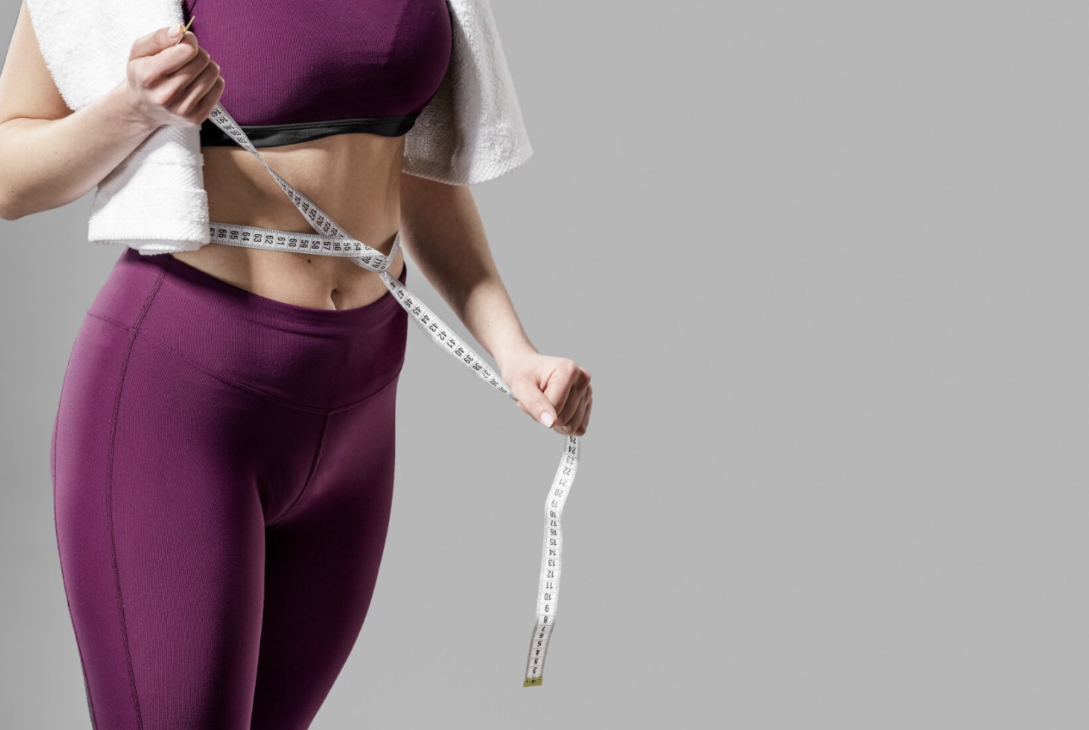
1. Waist Measurement
This is one of the strongest indicators of metabolic health.
Fat stored around your organs (visceral fat) is the risky kind — and your waist reveals it.
If your waist is shrinking, you’re improving internally, even if the scale doesn’t move.
2. How Your Clothes Fit
Jeans getting looser.
Shirts sitting better.
Waistbands not digging in.
This is real-world evidence of fat loss. No algorithms, no batteries needed.
3. Strength Gains
If you can:
- Lift heavier
- Do more push-ups
- Hold planks longer
- Move with more control
You’re building muscle and improving your nervous system.
That’s a long-term fat-burning advantage most people never consider.
4. Energy Levels
Constant fatigue is not normal.
Stable energy throughout the day often means:
- Better blood sugar balance
- Improved sleep quality
- Reduced inflammation
- Healthier hormones
These are deeper signs of progress than any number.
5. Sleep Quality
Better sleep isn’t just recovery — it’s metabolic repair.
Poor sleep directly affects hunger hormones and fat storage.
If you’re sleeping deeper and waking naturally, your body is healing.
6. Resting Heart Rate
A lower resting heart rate often means improved cardiovascular fitness and nervous system balance.
Few people track this — yet it’s one of the most honest health indicators.
The Real Question Isn’t “Am I Losing Weight?”
It’s:
Am I becoming healthier, stronger, and more resilient?
Because sustainable progress doesn’t always look dramatic on the scale.
Sometimes it looks like:
- Fewer cravings
- Better posture
- More stable moods
- Clearer thinking
- Stronger mornings
These wins matter more than temporary water weight shifts.
Why We’re Still Obsessed With the Scale
Because it’s simple.
A single number feels objective. Clean. Controllable.
But human biology isn’t simple.
It’s dynamic. Fluid. Adaptive.
Trying to judge your health by weight alone is like judging a book by its page count.
A Smarter Way Forward
Use the scale if you want — but demote it from judge to data point.
Let it be just one signal, not the authority over your self-worth.
Because your body is not a math equation.
It’s a living system, constantly adjusting, protecting, adapting.
And it deserves better metrics than a bathroom device invented over 100 years ago.